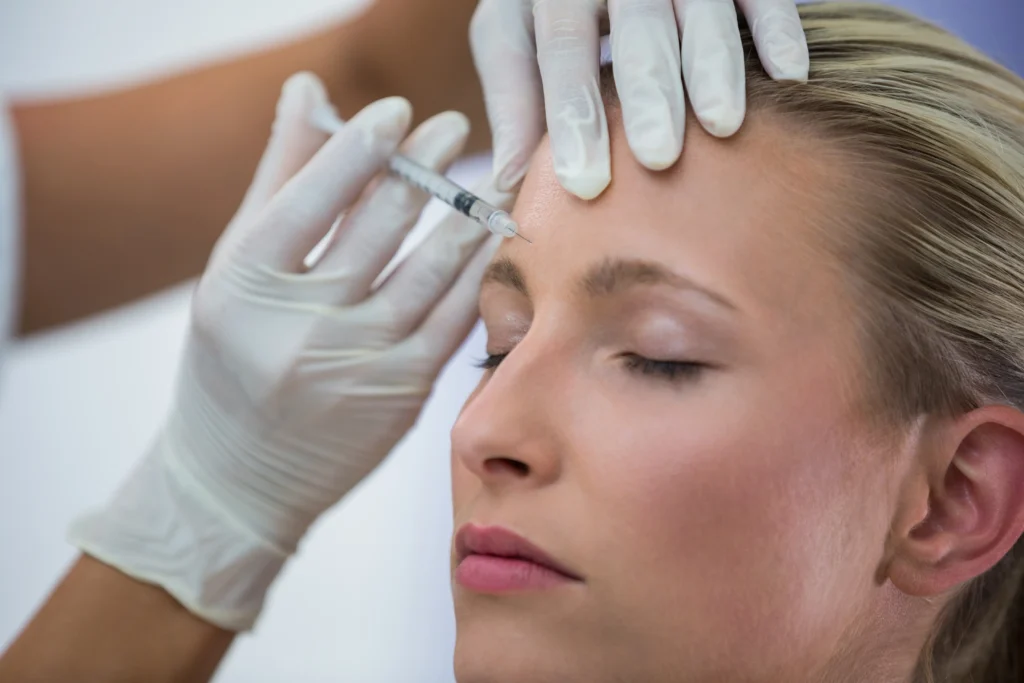
You leave your appointment feeling completely normal, then start wondering whether a workout, a nap, a hot shower, or one quick face touch could undo the result. If you are trying to understand Botox aftercare and what not to do in the first 24 hours and week 1, the short version is this: the first few hours and the first week influence where the botulinum toxin settles and how predictably it works. Your injector’s instructions always come first if they differ from anything here.
This guide from You But Younger in Saginaw, MI explains what to avoid, what is normal, and when to call your provider, so your recovery stays smooth and your downtime stays minimal.
Why Aftercare Matters for Your Botox Results
Botox works by relaxing selected muscles rather than filling space, so the period right after treatment is about precision, not just healing. That is why aftercare matters. Rubbing, pressure, and heat can encourage the product to spread into nearby muscles before it fully settles into the treated areas.
Most people notice mild redness, a few tiny raised bumps, or some tenderness right after their injections. Those short-lived effects are common and usually mean the needle and fluid caused temporary local irritation, not that anything went wrong.
The results timeline matters for your expectations too. Early softening can begin in 3 to 5 days, while the fuller effect often appears around 10 to 14 days. Same-day judgments are usually inaccurate. In Saginaw, many patients fit appointments around workdays, weekends, and local events, so good aftercare protects both your appearance and your schedule.
What “Migration” Means in Plain English
Product migration means the medication affects a nearby muscle instead of staying concentrated where it was placed. Botox is FDA-approved for specific uses, but approval does not override anatomy, so aftercare still matters, because pressure, rubbing, and early heat can increase unwanted spread.
That spread can show up as uneven movement, eyelid heaviness, or asymmetry. When people say their Botox “moved,” they usually mean a nearby muscle was influenced enough to change their facial balance.
Symptoms That Are Usually Normal
Small bumps at the injection sites often fade within an hour or two, especially in common treatment zones like crow’s feet. A tiny raised area right after injection is a mechanical response to the fluid, not a sign of a bad result.
Pinpoint redness, a small bruise, or mild tenderness can also happen and are usually minor and temporary. The important distinction is that worsening swelling, severe pain, or changes in how your face functions deserve attention, while brief, mild reactions typically do not.
The First 4 Hours: Stay Upright and Hands-Off
The first four hours are your highest-value aftercare window. The “4 hour rule” is a common guideline to reduce pressure while the medication begins settling into the treated muscles, though your injector may adjust the timing based on the area treated.
Stay upright and keep your head above your heart during this period. This is less about strict stillness and more about avoiding positions that increase pressure or tempt you to touch the area.
Try not to bend at the waist for long stretches or move into inverted positions. If you need to pick something up, squat instead, which limits head-down positioning without turning your day into a medical event.
Touching the treated area is the main mistake to avoid. Even if the skin feels tight, itchy, or tender, rubbing introduces friction exactly where you want stability.
What Not to Do Right After Your Appointment
Do not lie down, nap, or do inverted yoga poses right after treatment, including “just for a minute.” Repeated pressure and head-down positions are the issue, not only long durations.
Skip same-day facial treatments such as a facial, facial massage, brow wax, or dermaplaning, because they add pressure, heat, or rubbing over fresh injection sites. Areas treated for frown lines and forehead lines are especially sensitive to extra manipulation, since your injector placed the product with muscle precision in mind.
What You Can Do Instead
Normal desk work and light walking are usually fine. Gentle movement keeps your routine going without adding the heat, sweat, or pressure that can complicate the first few hours. If your injector recommends it, you may gently use facial expressions without touching the skin. That will not speed up results, but it keeps you comfortable while you wait the usual 10 to 14 days for the full effect.
First 24 Hours: The Biggest Don’ts
The first day is where most avoidable mistakes happen, because people feel normal and assume normal means unrestricted. The core rules that protect minimal downtime are no vigorous exercise, no alcohol, no heat exposure, and no rubbing.
- Vigorous exercise raises heart rate and blood flow, which can worsen bruising and swelling. Irritated tissue reacts more visibly when circulation and pressure increase.
- Alcohol can increase bruising and flushing. If you already have a small pinpoint bruise, drinking the same day can make it more noticeable.
- Heat exposure from a sauna, hot tub, steam room, or very hot shower can increase flushing and swelling, which makes early recovery look rougher and encourages face touching.
Exercise and Sweat: What Counts as Too Much
High-intensity workouts, heavy lifting, running, cycling classes, and hot yoga should wait at least 24 hours. That includes any session where your face gets hot, sweaty, or repeatedly wiped with a towel. If you feel restless, choose gentle walking. Movement is fine; strain, sweat, and repeated towel-to-face contact are not.
Makeup, Skincare, and Face Touching
If you wear makeup, apply it lightly and avoid pressing, buffing, or dragging tools across the skin. Keep your skincare gentle for the first day, especially if you feel irritated, and consider pausing scrubs, exfoliating acids, and retinoids until the next day if your provider agrees. At home, your best tool is simple restraint.
Days 2 to 7: What Not to Do During Week 1
Week 1 is less restrictive than day 1, but it is still not the time for aggressive treatments. Avoid facial massage, lymphatic massage, gua sha, and strong manipulation over the treated areas unless your injector specifically clears it.
Be cautious with sun exposure and prolonged heat. Irritation and swelling can linger subtly during this stage, so overheating can make your face feel more reactive than it actually is. Wear sunscreen and protect your skin.
Most importantly, do not judge your final outcome too early. Botox develops over days, so mild unevenness on day 3 can resolve on its own by day 10 or 14.
Appointments to Postpone in Week 1
Postpone massage therapy that cradles your face, and if possible, dental work that requires prolonged facial pressure or positioning. If you also enjoy comprehensive med spa services like facials, microneedling, or thread lifts, ask your provider to help you sequence them so you are not stacking facial stress too soon.
Travel and Weather Around Saginaw
Cold wind off the Saginaw River can make you rub your cheeks, forehead, or eyes without noticing, and around injection sites that habit matters more than the weather itself. Choose a scarf or hat that protects your skin without pressing on the treated areas, and skip a tight helmet or headband for the first day. If you are walking Downtown Saginaw, out at Ojibway Island, or running errands near Fashion Square Mall, wear sunscreen and avoid overheating.
Common Mistakes and Easy Fixes
The most common mistake is absentminded rubbing, especially around the forehead and eyes, so aftercare works best when you replace habits rather than just resisting them. Tight helmets, beanies, and headbands are another easy miss, because compression creates avoidable pressure at the exact points your injector wanted left alone. People also schedule a workout because they “feel fine,” but feeling normal is not the same as being past the window when bruising and swelling are easiest to aggravate. And if you usually decompress in a sauna or hot tub, switch to a lukewarm shower and a cooler room for a day.
If You Accidentally Rubbed the Area
Do not panic if you briefly touched your face. Light, momentary contact often changes nothing. Repeated pressure is what you want to stop right away.
If You Get a Bruise
A cool compress can help if your provider says it is appropriate. Keep it short and gentle, since the goal is to calm the area, not to press fluid around. Avoid alcohol and any non-prescribed blood thinners or supplements if you bruise easily.
Side Effects vs. When to Call Your Provider
Normal side effects include a mild headache, tenderness, temporary bumps, small bruises, and light swelling. These reflect a local tissue response more often than a problem with the medication.
Call your provider promptly if you develop eyelid droop (ptosis), worsening asymmetry, or new drooping, since some effects emerge a few days later as the medication reaches full activity. Personalized instructions matter even more if you take prescription medications or have underlying medical conditions.
Red Flags That Need Same-Day or Emergency Care
Seek urgent help for vision changes, severe pain around the eye, trouble swallowing, trouble speaking, trouble breathing, widespread hives, or swelling of the lips or tongue. These can signal a serious reaction and should not wait. If symptoms are severe, call 911 or go to your nearest emergency room, such as Covenant HealthCare or MyMichigan Medical Center Saginaw (formerly St. Mary’s).
When to Evaluate Your Results
Take a baseline photo on day 0, then compare on day 7 and day 14. This simple habit prevents memory bias, which is one reason people think a result is “uneven” before Botox has fully settled. If your provider offers a touch-up, that assessment is usually done around two weeks. Earlier than that, you are often judging an unfinished result.
Quick Saginaw-Friendly Aftercare Checklist
Build your aftercare around three ideas: pressure, heat, and patience.
- First 4 hours: Stay upright, do not lie down, avoid bending or inverted positions, and do not press on the treated areas.
- First 24 hours: Skip vigorous exercise, alcohol, rubbing, and high heat like saunas, hot tubs, steam rooms, and hot showers.
- Week 1: Postpone facials, facial massage, gua sha, and tools that scrape or massage over injection sites. Keep cleansing gentle, hydrate, and use sunscreen.
Ready for Personalized Botox Aftercare in Saginaw?
If you are considering Botox or have questions about aftercare in the first 24 hours and week 1, the safest next step is a personalized plan from your injector. At You But Younger, Christine Henderson, a board-certified nurse practitioner, provides clear, FDA-approved Botox guidance tailored to your forehead lines, crow’s feet, or glabellar (frown) lines.
Learn more about Botox in Saginaw, or contact our team to schedule your free consultation.